


The Institute of Classical Architecture & Art (ICAA) plays a significant role in preserving and teaching the principles of classical architecture and traditional design. While often associated with monumental buildings and historic preservation, its teachings are deeply relevant to interior designers.
Classical architecture is not simply about columns and ornament, it is about proportion, hierarchy, balance, and spatial clarity. These principles directly inform how interiors are composed, experienced, and understood.
For an interior designer, studying classical architecture is ultimately about learning how to design spaces that feel grounded, intentional, and enduring.
Classical Architecture as a Foundation for Interior Space
Classical architecture is rooted in the traditions of ancient Greece and Rome, later refined through the Renaissance and Neoclassical periods. Its defining characteristics include:
- Proportional systems based on mathematics and human scale
- Symmetry and axial organization
- Hierarchy between primary and secondary spaces
- Ornament derived from structure rather than applied decoration
For interior designers, these ideas translate into how rooms are organized, how ceilings relate to wall proportions, and how circulation unfolds through a space.
Rather than treating interiors as isolated decorative environments, classical thinking encourages designers to see interiors as extensions of architectural order.
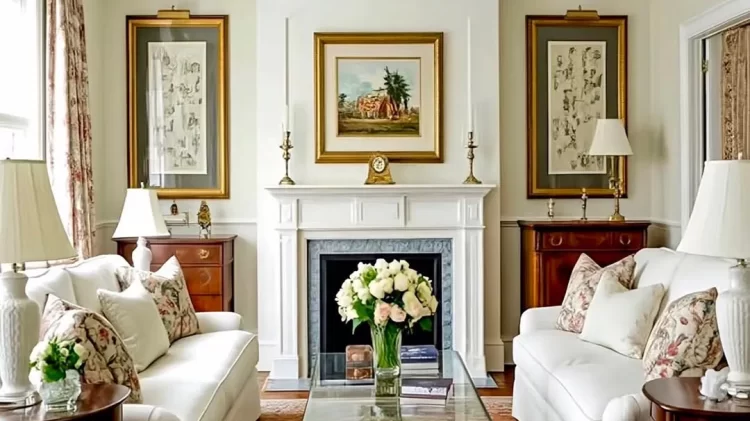
Proportion and Human Scale in Interiors
One of the most valuable lessons from the ICAA’s emphasis on classical design is the importance of proportion.
In interior design, proportion influences:
- The relationship between ceiling height and furniture scale
- Window placement and alignment
- Molding profiles and millwork dimensions
- The visual weight of materials and finishes
When proportion is carefully considered, spaces feel calm and resolved. When ignored, even well-decorated rooms can feel slightly “off.”
Classical architecture provides measurable systems that guide these decisions, ensuring interiors feel balanced rather than arbitrary.
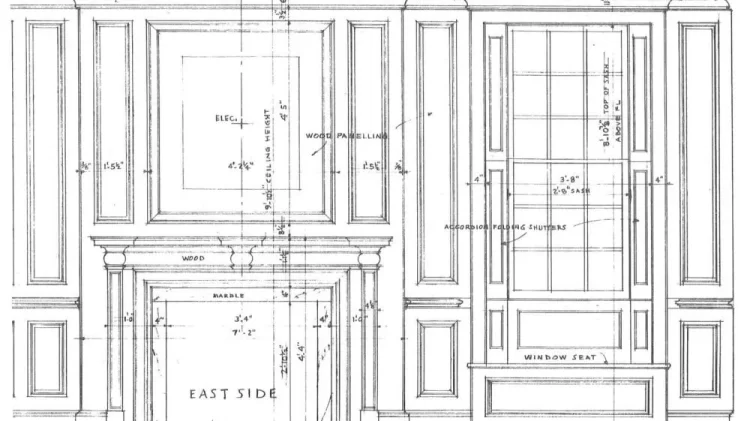
Hierarchy and Spatial Organization
Classical design establishes clear hierarchies: grand versus intimate, public versus private, primary versus secondary.
In interior design, this principle can be applied through:
- Emphasizing focal points in main living areas
- Creating axial views that guide movement
- Differentiating formal and informal spaces
- Using material changes to signal transitions
The ICAA’s teachings reinforce that spatial hierarchy is not accidental — it is deliberately structured.
For an interior designer, this means designing spaces that unfold with intention rather than randomness.
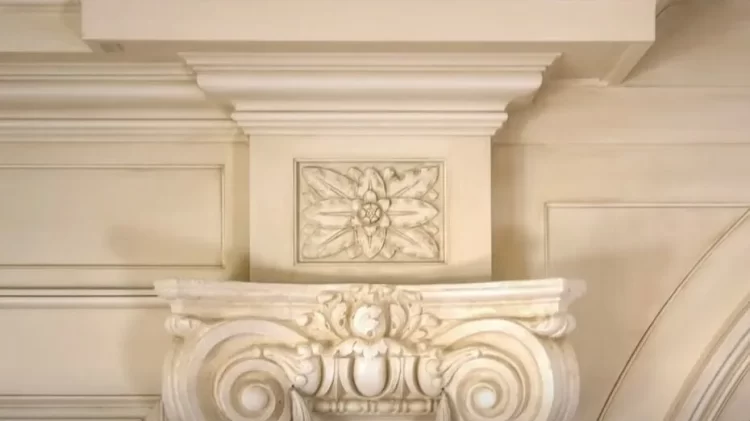
Ornament as Structure, Not Surface
A key distinction in classical architecture is that ornament grows from structure. Moldings, pilasters, and decorative elements articulate the architecture rather than conceal it.
For interiors, this encourages:
- Thoughtful integration of millwork and paneling
- Moldings scaled appropriately to ceiling height
- Architectural detailing that enhances proportion
- Decorative elements that reinforce spatial rhythm
This approach moves design beyond styling and toward architectural coherence.
Why Classical Principles Still Matter in Contemporary Interiors
Even in modern or minimalist spaces, classical principles remain relevant.
Proportion, symmetry, and balance:
- Help anchor open-concept layouts
- Prevent large spaces from feeling undefined
- Provide structure in eclectic or layered interiors
- Create environments that feel timeless rather than trend-driven
The Institute of Classical Architecture & Art demonstrates that classical design is not about replicating the past, it is about understanding a system of spatial logic that can inform contemporary interiors.
For interior designers, engaging with the work of the ICAA reinforces the idea that design is more than aesthetic preference. It is a discipline rooted in proportion, order, and human experience.
Classical architecture offers a framework that elevates interiors from decoration to composition. By studying these principles, designers gain tools that create spaces that feel intentional, harmonious, and enduring.
Ultimately, classical design reminds us that interiors work best when they are grounded in structure, guided by proportion, and shaped with clarity.
Happy to help.
Call me today for a consultation on your next home project!
310-273-1855